Though puzzle solving feels driven and analytical while mindfulness feels receptive and open, merging these two practices unlocks a unique path to mental stillness and emotional equilibrium.
Instead of viewing puzzles as distractions from mindfulness or as mere entertainment, consider them as tools to deepen your awareness and cultivate calm.
Whether you’re tackling a crossword, assembling a jigsaw, or unraveling a logic puzzle, your mind naturally settles into deep concentration.
In this moment, your awareness narrows to the patterns, shapes, and possibilities—just as mindfulness invites you to rest in the here and now.
The key is to approach the puzzle not with the urgency of finishing it quickly but with the patience of observing each move, each thought, each sensation as it arises.
Start by setting aside a few minutes each day to work on a simple puzzle.
Before you begin, take three slow, deep breaths.
Tune into the physical sensations: the coolness of the wood, the smooth edge of a tile, the grip of your pen as it hovers over the grid.
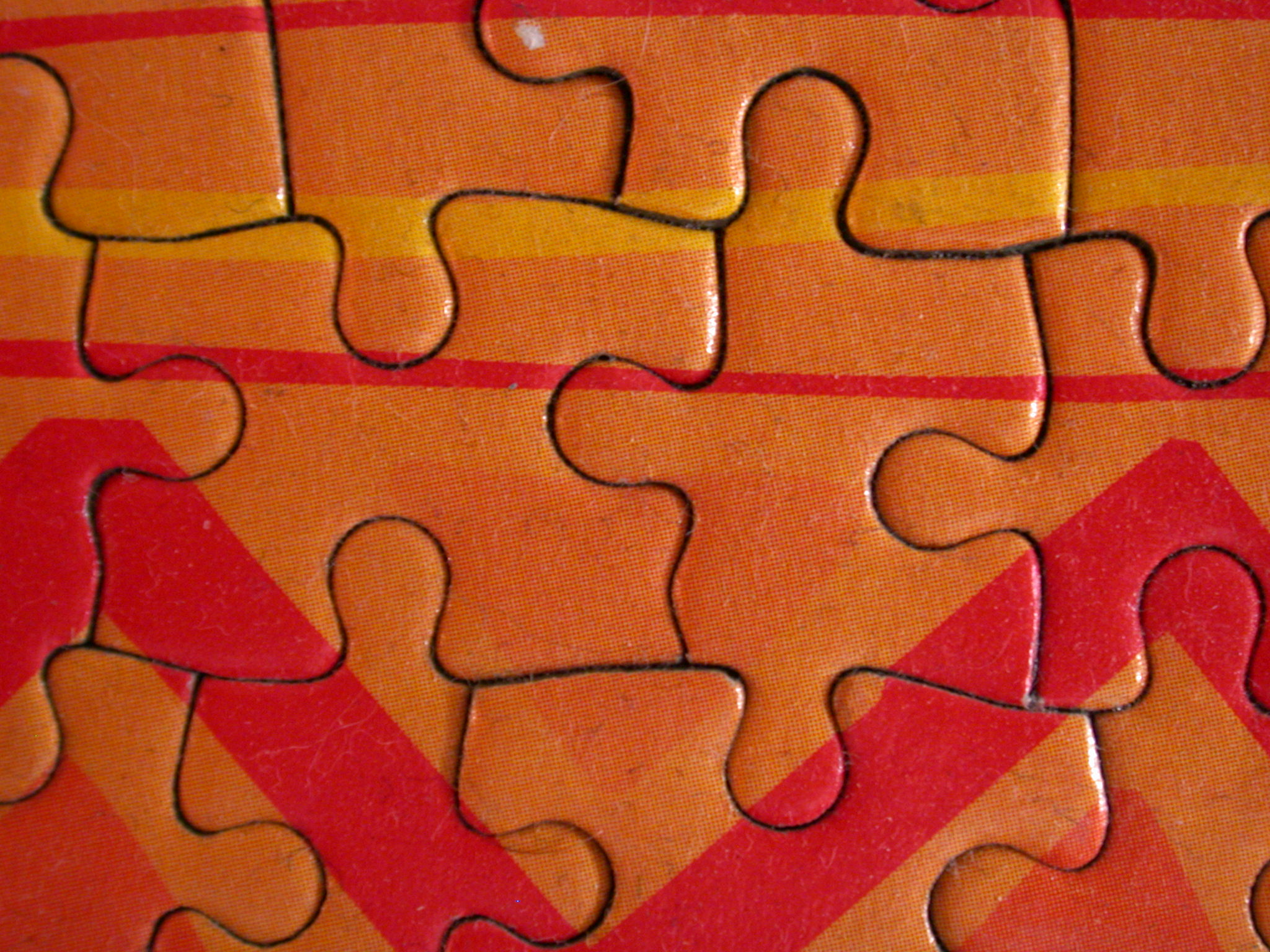
Notice the subtle chatter that accompanies each choice—your judgments, your impatience, your quiet hopes.
Are you getting frustrated when you make a mistake? Are you rushing to the answer? Or are you allowing yourself to pause and simply be with the uncertainty?
When your mind spirals into “what ifs” or “should haves,” gently redirect your focus to the geometry of the pieces, the rhythm of the colors, the silent dance of fit and form.
Even when a piece doesn’t belong, it’s not a mistake—it’s a reminder to pause, breathe, and re-engage with the moment.
Each correct fit becomes a quiet moment of recognition, not triumph.
Regularly practicing mindful puzzle blog solving rewires your nervous system to respond to chaos with calm, not reactivity.
The true reward isn’t the finished image—it’s the quiet, steady state you cultivate while working toward it.
You’ll find yourself breathing through conflict, pausing before reacting, and holding space for uncertainty—in relationships, at work, within yourself—just as you do with a puzzle.
They are not mere entertainment to fill empty minutes.
They call you to stillness, to witness, to return again and again to the quiet miracle of being here.
When you integrate them into your mindfulness routine, you transform a simple pastime into a meaningful practice that nurtures presence one piece at a time.
