Mental spatial transformation plays a fundamental role in puzzle-solving ability, whether they are picture puzzles, spatial mazes, or mental challenges like twisting puzzles. It is the capacity to visually process and reconfigure objects and their spatial configurations. When you examine a fragment and anticipate its orientation with others, you are engaging your mental rotation skills. This capacity allows you to predict angular shifts, sliding movements, and spatial scales without physically moving the pieces.
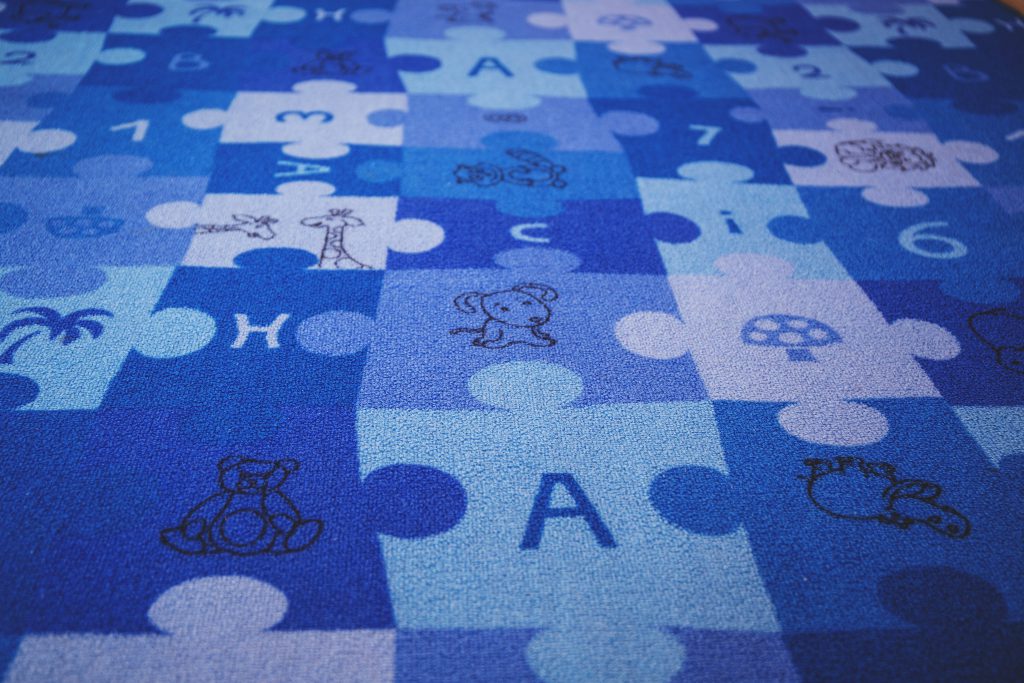
In jigsaw puzzles, pattern recognition helps you detect visual cues and hues, and estimate its correct location based on the adjacent fragments. You don’t just rely on haphazard attempts; you simulate orientations, assess fit compatibility, and anticipate how fragments align. This spatial forecasting minimizes effort and stress involved in solving the puzzle game.
For more intricate brain teasers like tactile mazes or escape room challenges, visual-spatial reasoning becomes absolutely essential. You need to juggle competing spatial inputs, understand how parts interlock, and predict chain reactions. Someone with strong spatial reasoning can often complete them with less trial and error because they can visualize sequences prior to execution.
This aptitude is not just useful in leisurely brain games. It forms the foundation of many practical applications such as reading maps, assembling furniture, orienting in unknown terrain, or even interpreting construction plans. People who habitually play puzzle games often strengthen their spatial memory over time, which can boost proficiency in math, design, and design.
Daily mental challenges can help boost visual-spatial cognition. Even accessible routines like recreating scenes mentally, tackling falling-block puzzles, or navigating a new neighborhood can train your brain to enhance spatial awareness. The more you challenge yourself, the more intuitive these mental processes become.
In essence, visual-spatial cognition turns a confusing collection of pieces into a harmonious outcome. It is the silent engine behind puzzle solving, allowing us to anticipate outcomes before touching objects. Whether you are a recreational enthusiast or someone mastering multi-dimensional logic, honing this skill unlocks a deeper level of understanding and fulfillment through resolution.
