What is archaeology and what is it for?
Archaeology is a branch of historical science that studies the past of mankind and the patterns of its development through physical historical sources. This is what makes archaeology different from other branches of historical science, which deal mainly with written historical sources. The word "archaeology" itself can be translated as "stories of antiquity" or "the science of antiquity". Archaeology is a term that has been around since Ancient Greece, but became a modern academic concept only in the early years of the nineteenth century. So students often google "Do My Assignment" looking for a service to help them with archaeology.
So how do ordinary people understand archaeology?
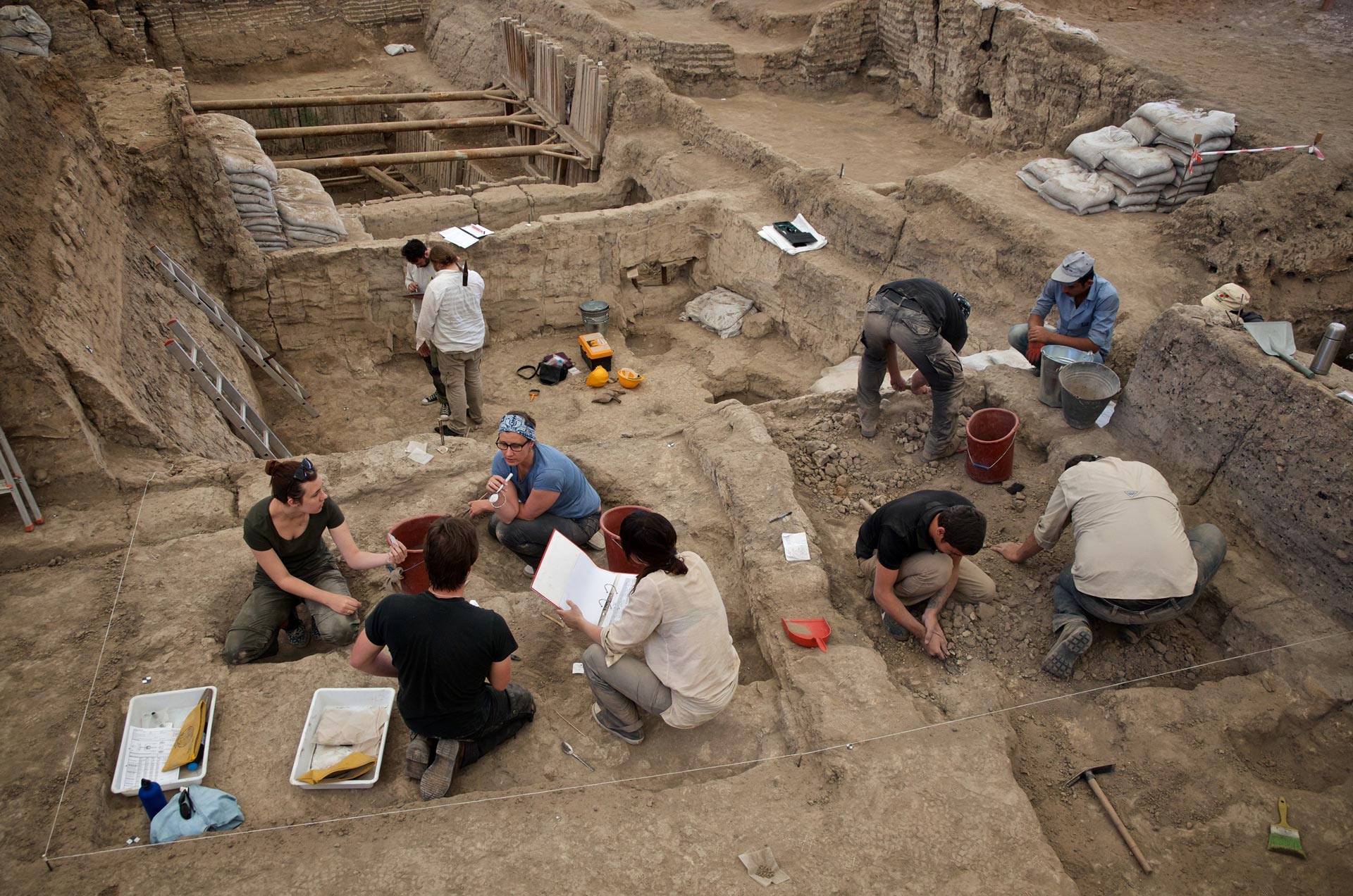
The public's understanding of archaeology https://Lookingforclan.com/user/college-knower and archaeologists has generally been shaped by adventure literature or films, which often show archaeology as a treasure hunt. Examples include films such as Lara Croft: Tomb Raider, Indiana Jones and others. Real archaeology has nothing to do with such plots. Archaeology is hard, laborious work, and archaeologists' "prey" is often the shards of ancient dishes, bones, kitchen scraps and lots of other things of no interest to non-specialists. Jewels and treasures can still be found, but they are more the exception than the rule. And of course, found objects never become the property of the discoverer, whatever they may be. Because everything that belongs to our country's cultural and historical heritage, on the ground, under the ground or under the water, is the property of the state. Archaeologists are not looking for objects from forgotten eras, but for the information found objects can provide about the past.
Archaeology can be said to be "history with a spade" and its objects of study are not objects themselves, but ancient communities of people or the remnants of ancient societies. Only a small part of material culture has survived from those ancient eras, in the form of objects or structures used by our ancestors. It is an important feature of archaeological science: in most cases researchers get into the hands of not those things and structures, which were used in ancient times, but their remains. Even if the object has not been broken in use, it has changed dramatically over the centuries. Objects made of organic materials tend to decompose, metals corrode, even long-lasting stone wears away and cracks. Ancient cities and structures are destroyed or rebuilt, sometimes beyond recognition.
More often than not, archaeologists investigate the ancient history of people when writing did not yet exist or did not yet cover all aspects of ancient life. However, the methods of this science are also used to study relatively recent history if, for some reason, other sources of information are unavailable or insufficient.
All objects that have been used by people from their time until the present day are lumped together under the term "material historical sources". What, then, is meant by this term? Physical historical sources include any objects, structures, waste, etc., which have arisen as a result of human activity. These can range from entire ancient cities to the tiniest flint flake from the production of stone tools. The discovery of the remains of an ancient settlement or burial site has been called an 'archaeological heritage site', and the individual items are referred to as 'artefacts'.

Today, I went to the beach with my kids. I found a sea shell and gave it to my 4 year old daughter
and said “You can hear the ocean if you put this to your ear.”
She placed the shell to her ear and screamed. There was a
hermit crab inside and it pinched her ear. She never
wants to go back! LoL I know this is completely off topic but
I had to tell someone!
Howdy! This article couldn’t be written much better!
Going through this article reminds me of my previous roommate!
He constantly kept preaching about this. I am going to
send this article to him. Pretty sure he’ll have a great read.
I appreciate you for sharing!
Woah! I’m really digging the template/theme of this site.
It’s simple, yet effective. A lot of times it’s tough
to get that “perfect balance” between superb usability
and visual appeal. I must say that you’ve done a awesome job
with this. In addition, the blog loads very quick for
me on Chrome. Excellent Blog!
Do you have a spam issue on this blog; I also am a blogger, and
I was curious about your situation; many of us have developed some nice practices and we are looking to swap techniques with other folks, why
not shoot me an e-mail if interested.
Hello there, You’ve done an excellent job. I’ll definitely digg
it and personally suggest to my friends. I’m sure they will be benefited from this web site.
Hi there! This is my first visit to your blog! We are a team of volunteers and starting a new project in a community in the
same niche. Your blog provided us valuable information to work on.
You have done a extraordinary job!
Awesome! Its actually awesome article, I have got much clear idea about from this paragraph.
Asking questions are in fact good thing if you are not understanding something entirely, except this post gives good understanding yet.
I like what you guys are usually up too. This sort
of clever work and coverage! Keep up the awesome works guys I’ve incorporated you
guys to our blogroll.
magnificent points altogether, you just received a logo new reader.
What might you recommend in regards to your submit that you simply made
some days in the past? Any sure?
Thank you for any other informative web site.
Where else could I am getting that kind of info written in such an ideal approach?
I have a project that I’m just now running on, and I have been at the look out for
such information.